
Discover how trademark infringement can impact patent cases and learn how to protect your innovations. Expert insights from Project Patent by Kaufhold and Dix Patent Law on patents, trademarks, copyright law, and intellectual property strategy.
Trademark infringement occurs when one party uses a mark, logo, or brand in a way that is likely to cause confusion with an existing trademark. While patents protect inventions, trademarks protect brands, and both types of protection can coexist for a single product. A patent secures the technical innovation, while trademark law ensures that your brand identity remains distinct in the marketplace.
In patent cases, trademark infringement often emerges when competitors market products that are patented but use names or logos similar to those of the original patent holder. Even if the technical aspects are fully protected by a patent, confusion in the marketplace can erode brand reputation and market share. Recognizing this risk is essential for innovators who want comprehensive protection for their intellectual property.
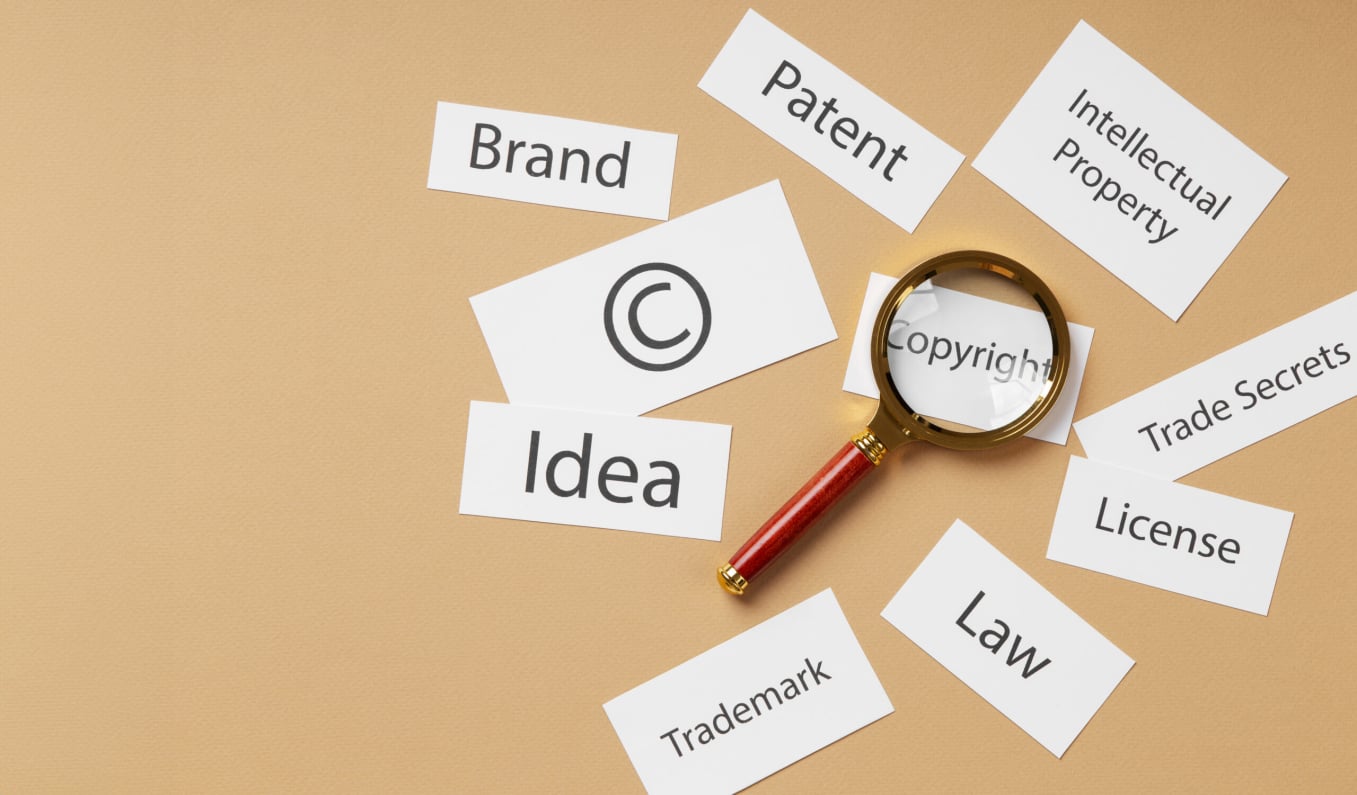
Several scenarios illustrate how trademark infringement can intersect with patent protection. One common situation involves knockoff products: a competitor may reverse-engineer a patented invention and sell it under a brand name that closely resembles the original. Another scenario arises when product packaging or advertising mimics the original product, potentially misleading consumers.
Even if the patent remains valid, these actions can trigger legal challenges under trademark law. A patent lawyer can identify potential vulnerabilities and guide proactive measures to safeguard your intellectual property. For businesses asking how to patent an idea while maintaining brand integrity, understanding these scenarios is essential for planning both short-term and long-term protection strategies.
Intellectual property is not just a legal shield; it’s a strategic asset. A well-crafted IP strategy anticipates potential conflicts and mitigates risks before they escalate into disputes. For example, conducting a trademark search alongside a patent search can prevent future infringement issues. By coordinating patent service actions with trademark and copyright law considerations, inventors can safeguard both the technical and commercial aspects of their innovation.
Project Patent by Kaufhold and Dix Patent Law emphasizes this holistic approach. Their team helps clients align patents, trademarks, and copyrights to ensure comprehensive protection, combining technical expertise with legal acumen to reduce the risk of costly litigation.
FAQs
A patent attorney is a licensed attorney with specialized training in intellectual property law and the technical expertise to draft and prosecute patents. A patent lawyer may offer similar legal services, but the term “patent attorney” often implies specialized qualifications recognized by patent offices.
The timeline varies depending on the type of patent and complexity of the invention. Typically, the process can take anywhere from one to three years from application submission to grant, including responses to patent office actions.
Yes, in many jurisdictions, a patent can be filed on a concept or idea as long as it is novel, non-obvious, and fully described in the application. However, having a prototype can strengthen your application and clarify your invention.
A comprehensive patent service helps ensure your invention is fully protected by guiding you through additional intellectual property protections, including trademarks for brand identity and copyrights for creative works associated with your invention.
Flat-fee services provide predictable costs for patent applications and legal work, eliminating surprises and enabling better financial planning. This is especially beneficial for individual inventors and small businesses navigating the patent process.